

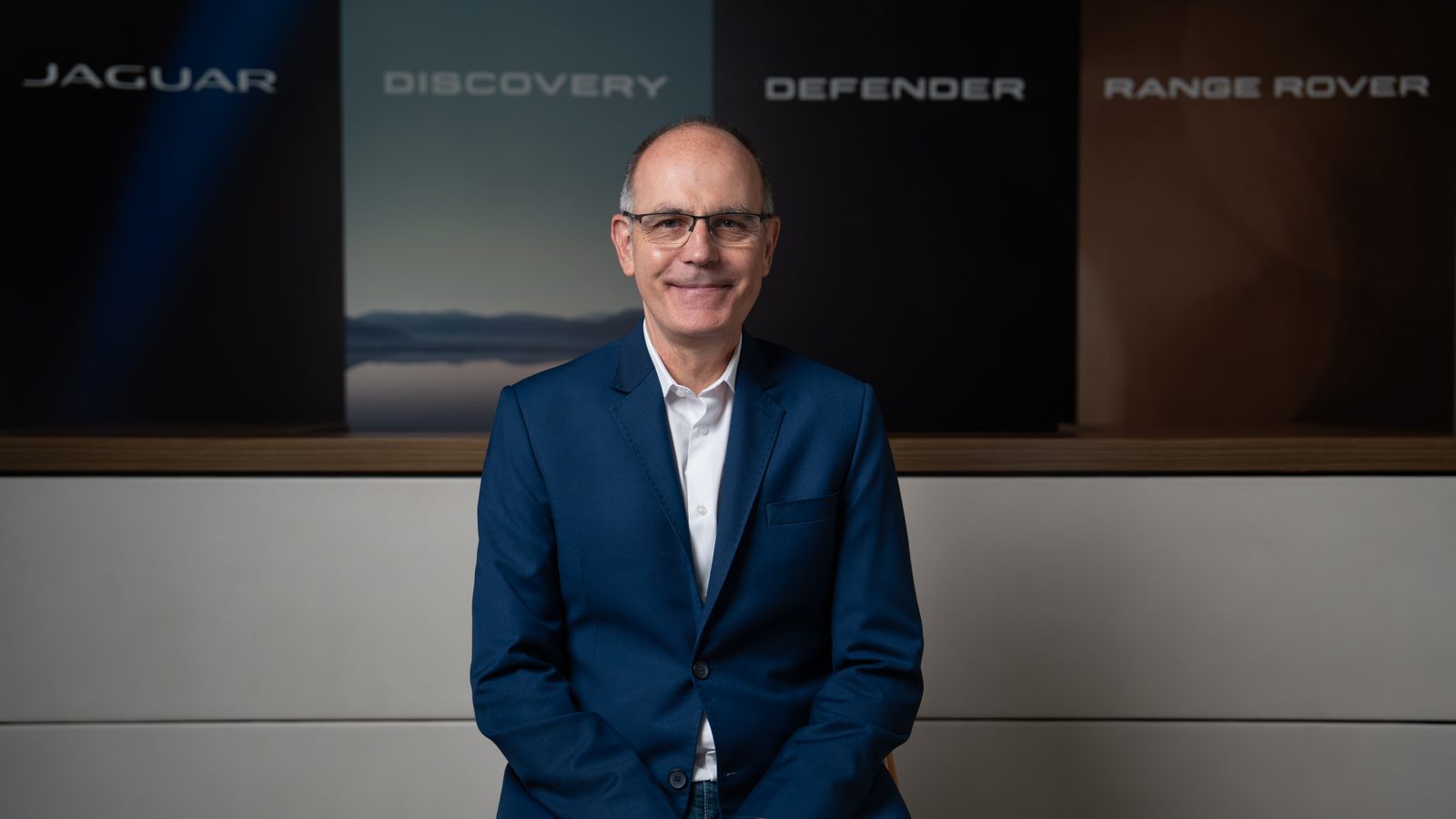
Rhett Maxwell on Saudi Arabia’s evolving automotive landscape, the changing expectations of luxury buyers, and the road towards electrification.
A CONVERSATION WITH RHETT MAXWELL
Managing Director, MYNM – JLR Saudi Arabia’s luxury automotive market is changing alongside the Kingdom itself. In this interview, Rhett Maxwell reflects on a more informed and experience-led client, the distinct identities within JLR’s house of brands, and the opportunities emerging from Vision 2030. He also considers what it will take to make electric mobility a compelling proposition for luxury buyers.
Saudi Arabia’s Changing Luxury Automotive Market
Saudi Arabia is experiencing a major transformation in its automotive and luxury sectors. From your perspective, how has the Saudi luxury car buyer evolved over the past decade, and what do clients expect today that they didn’t expect before?
“Over the past decade, the Saudi luxury car buyer has transformed as profoundly as the Kingdom itself.”
Ten years ago, purchase decisions were driven largely by brand, status and specifications. Today’s client is younger, better informed and globally connected. They arrive at the showroom having already researched, compared and formed an opinion online. We are also seeing a growing number of women as clients and decision-makers, reshaping how we communicate and deliver our experience.
What clients expect today that they didn’t before comes down to three things: First, a seamless, connected journey. Clients want a smooth experience that starts online, continues in the showroom and extends into after-sales, with transparency, speed and respect for their time at every step. Second, personalisation.
A luxury vehicle alone is no longer enough. Clients want a car that reflects their personality and lifestyle, and they want to feel recognised and valued, not treated as just another transaction. Third, long-term confidence. After-sales service, residual value, technology and sustainability are now central to the decision, not afterthoughts.
That is why we see our role as going beyond selling cars. We are building long-term relationships with our clients and investing in Saudi talent, digital transformation and service standards. The Saudi client now benchmarksagainst the best experiences in the world, and we are committed to meeting that standard.
The Future of JLR: Four Distinct Luxury Identities
Jaguar Land Rover represents two distinct automotive identities: bold modern luxury and legendary capability. As electrification, technology and changing client preferences reshape the industry, how do you see these brands evolving in Saudi Arabia over the next five years?
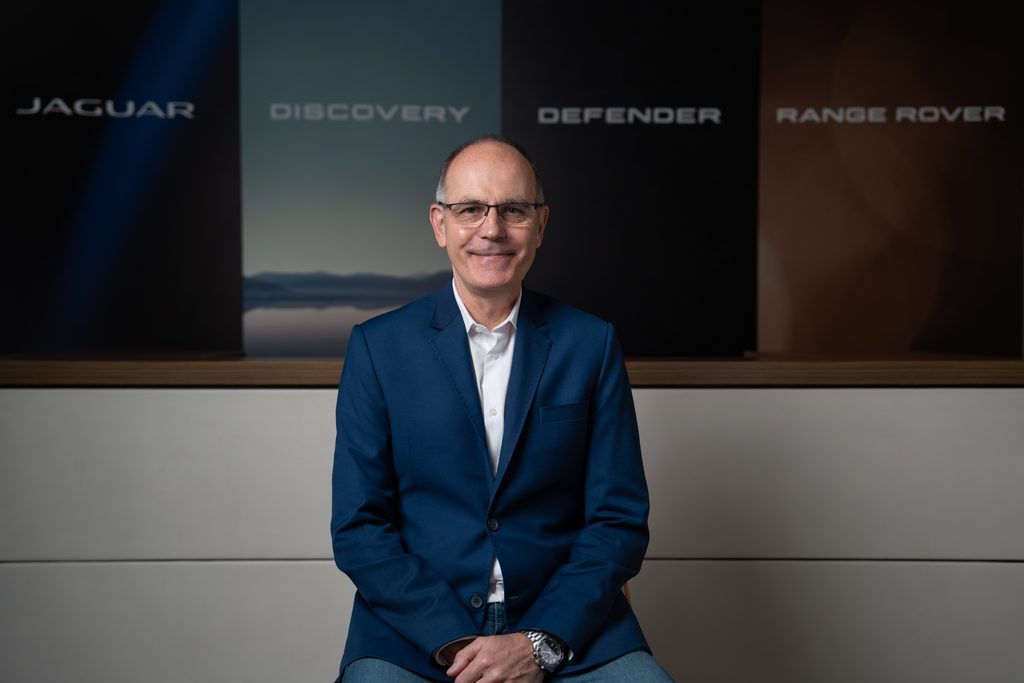
The question refers to two brands, but today’s reality is broader. JLR has become a house of brands made up of four distinct luxury brands: Range Rover, Defender, Discovery and Jaguar. Each has a clear personality and a defined audience, and this strategic shift is what will drive our growth in the Kingdom over the next five years.
Range Rover represents the pinnacle of modern luxury, for clients seeking refinement, exclusivity and personalisation. Defender is the icon of adventure and capability, with a natural home in Vision 2030 destinations such as AlUla and the Red Sea. Discovery is the versatile family choice, suited to Saudi family life and travel. Jaguar is being reborn as an all-electric luxury brand with a higher positioning, for clients who want bold design and exclusivity.
I see three key drivers shaping our future in the Kingdom: First, a considered electric transition. We believe the shift in the Saudi market will be gradual, so we offer a multi-energy line-up of mild hybrids, plug-in hybrids and fully electric vehicles. That lets clients choose what suits them, based on infrastructure readiness, climate and personal preference. Second, technology and digital experience. The car has become a connected platform.
Clients expect over-the-air updates, digital services and a seamless purchase and ownership journey from online through to after-sales. Third, local readiness. Our role as a retailer is to lead the transition rather than follow it, by upgrading our facilities, developing Saudi talent and investing in charging and service solutions. In short, the authentic identity of each brand will remain, but the way we deliver it will become more focused, more technology-led and closer to the Saudi client.
Beyond the Car: The Luxury Experience
Today’s luxury clients are buying more than a vehicle; they are buying an experience. What does it take to deliver a truly world-class ownership experience in Saudi Arabia, from the first showroom visit to after-sales service?
A true luxury experience isn’t measured at the moment of purchase alone, but in every moment a client spends with us throughout their ownership. In my view, delivering a world-class experience rests on four pillars:First, people above all. However advanced technology becomes, it is people who create the experience.
That’s why we invest in attracting and developing Saudi talent, not only in product knowledge but in the art of hospitality, listening and understanding client needs. A luxury client wants a trusted adviser, not a salesperson. Second, one connected journey. Clients now begin online, visit the showroom, then deal with our service centre, and they expect the same standard and transparency at every stage.
We are connecting these stages into one seamless experience: easy test-drive booking, transparent pricing and offers, a handover worthy of the vehicle, and ongoing contact after the purchase. Third, after-sales is the real promise. A sale happens once; service is a relationship that lasts for years.
So we focus on clients’ convenience and time: flexible appointments, clear updates on their vehicle’s status, collection and delivery services, and certified technicians equipped with the latest tools, especially as electric and connected technologies arrive. Fourth, continuous listening. You cannot deliver a world-class experience without measuring it.
We continuously track client feedback and reviews and treat every comment as an opportunity to improve, because Saudi clients now compare their experience with the best they encounter anywhere in the world, across every industry, not just automotive.
In short, luxury isn’t only about the most beautiful showroom or the most expensive car. It’s about clients feeling recognised and valued, knowing their time is respected, and knowing we are with them at every stage. That is the standard we commit to.
Vision 2030 and the Automotive Opportunity
With Saudi Arabia investing in tourism, entertainment, infrastructure and new mobility experiences under Vision 2030, where do you see the biggest opportunities for premium automotive brands, and how can the industry contribute to the Kingdom’s ambitions?
Vision 2030 hasn’t only transformed the Saudi economy; it has transformed the way people live. Every change in lifestyle creates a new opportunity for luxury automotive brands, and I see the biggest opportunities in three areas: First, tourism and discovering the Kingdom.
Destinations such as AlUla, the Red Sea and Diriyah have opened the Kingdom to its people and visitors like never before. Road trips, family travel and exploring nature are now part of Saudi life. This is where Defender, Discovery and Range Rover play a natural role, not just as vehicles but as part of the experience itself, both for clients and through partnerships with destinations and tourism partners. Second, entertainment and global events. The Kingdom has become a stage for major events, from entertainment seasons and motorsport to Expo 2030 and the 2034 FIFA World Cup.
These create opportunities for luxury brands to be present where audiences are, and to deliver memorable experiences beyond the showroom.Third, a new generation of clients. Saudi Arabia has one of the youngest populations in the world, along with the growing role of women as drivers and decision-makers. This generation is digital, ambitious and seeks distinction, and it represents the future of the luxury market.
As for how the automotive industry can contribute to the Kingdom’s ambitions, I see three responsibilities: Developing national talent: employing and training young Saudi men and women in sales, service and advanced technical skills, particularly as new electric technologies arrive. Supporting the shift to sustainability: offering hybrid and electric options and helping build the charging and service ecosystem, in line with the goals of the Saudi Green Initiative.
Raising service standards: an industry delivering a world-class experience contributes to the image the Kingdom presents to itself and to the world as a destination of quality and excellence.
Lessons from Four Decades in the Automotive Industry
Having spent more than four decades in the automotive business across international markets, what is the most important lesson you have learned about building a successful automotive brand, and what advice would you give to the next generation of leaders entering this industry?
The most important lesson I have learned over these years is that a successful brand isn’t built on cars alone, but on trust. Cars change, technologies evolve and markets go through cycles, but the trust a client builds with a brand, and with the people who represent it, is what endures.
That trust isn’t won through an advertising campaign. It’s earned by keeping your promise day after day, in every interaction. I have also learned that every market has its own character. What works in one market may not work in another. Successful leaders respect the culture of the market, listen to their clients and adapt, while staying true to the brand’s identity and core values.
I see this clearly in the Kingdom: clients who know exactly what they want, and who deserve to be understood before they are sold to. My advice to the next generation of leaders comes down to four points: Stay close to the client. The best decisions come from the showroom floor and the service centre, not only from offices and reports.
Listen constantly to your clients and your team. Invest in people. Your success as a leader is measured by your team’s success. Develop those around you and trust them, because they are the ones who create the real client experience. Embrace change; don’t fear it. The industry is going through the biggest transformation in its history, from electrification to digitalisation and connected vehicles.
Those who learn quickly and adapt will lead the next chapter. Never compromise on integrity. In this business, your reputation is your real capital, and no short-term win is worth losing the trust of a client or a colleague. And to young Saudis in particular, I’d say this is the perfect time to enter the automotive industry.
The Kingdom is going through an exceptional transformation, and the sector needs ambitious national leaders who understand the local market and bring a global perspective. The opportunities in front of you today were not available to any generation before you.
The Road Ahead for Electric Vehicles
As Saudi Arabia develops its EV ecosystem, including charging infrastructure and consumer awareness, what do you see as the biggest opportunities and challenges for electric vehicles in the Kingdom, particularly in the luxury segment?
Electric vehicles in the Kingdom are no longer a question of “if”, but of “when” and “how”. Saudi Arabia has a combination of strengths rarely found in one market: a clear government vision, serious investment in charging infrastructure, and clients who embrace technology.
The biggest opportunities: Luxury clients are the fastest adopters. Luxury buyers are typically the first to try new technologies, and they often have the ability to charge at home. We expect the luxury segment to lead the transition and act as a bridge for the wider market. Government support and infrastructure.
The sustainability goals of Vision 2030 and the Saudi Green Initiative, together with investment in fast-charging networks along major highways and in cities, will accelerate consumer confidence. New developments and tourism destinations. Cities and destinations being built today to sustainability standards are ideal environments for electric vehicles from day one. The key challenges: Long distances and range anxiety.
Road travel between cities is central to Saudi life, and full confidence requires a dense, reliable charging network along highways, not just within cities. Climate. High temperatures demand advanced battery management, and clients need reassurance that their vehicle was designed and tested for these conditions.
Awareness and long-term value. Clients ask about battery life, maintenance costs and residual value, and our role is to give clear, transparent answers. Service readiness. Electric vehicles need qualified technicians and specialist equipment, and that investment must come before sales, not after them.
Our approach is a considered transition, not a rushed one. We offer a multi-energy line-up, from mild hybrids and plug-in hybrids to fully electric vehicles, so clients can move at the pace that suits them. Alongside this, we are investing in training Saudi technicians, equipping our service centres and supporting charging solutions for our clients.
I’m convinced that a luxury electric vehicle won’t succeed simply because it is electric, but because it offers a better experience: quieter, smoother and more advanced. Once clients experience that for themselves, the transition will feel natural.


Leave a Reply