

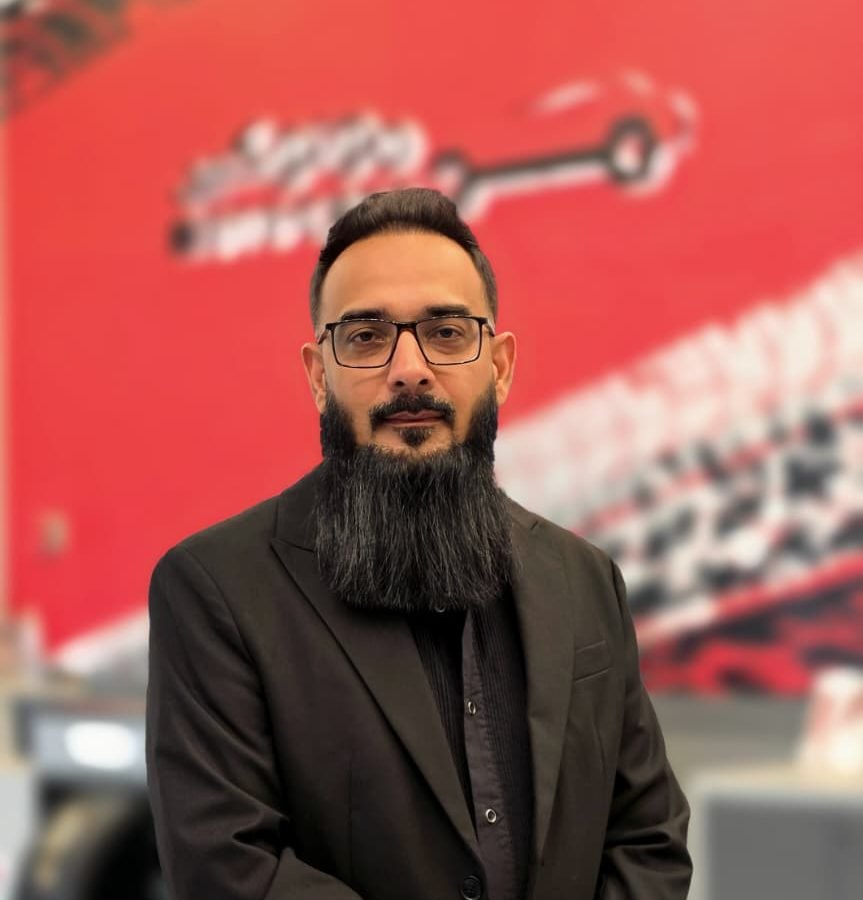
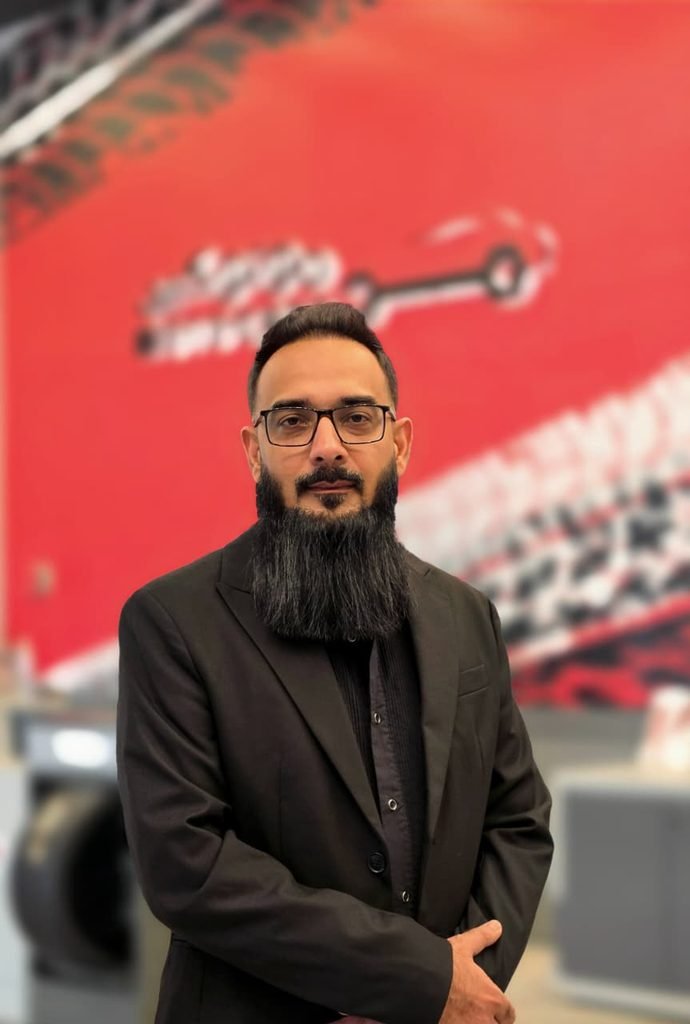
In this interview for Masar Magazine, Masar speaks with Abdulkader Adam about his experience in automotive car care distribution and entrepreneurship, brand development and distribution, his business development work at Autoono, and his contributions to Motocare and Anfal Shared Services.
Your experience covers several parts of the automotive industry. How would you describe your professional journey?
Abdulkader: My journey has combined entrepreneurship, business development and operational leadership. I started with hands-on experience in car care and distribution, where you learn very quickly that knowing a product is only one part of running a business. You also need to understand customers, pricing, supply, sales channels and cash flow.
Through businesses such as Automotive Experts, The Car Shop and The Agent for Car Care, I gained experience in developing brands and bringing products to market. My subsequent work within the Bugshan Group, including Faris Al Toruk, Autoono, Motocare and Anfal, broadened that experience to include evaluating new opportunities, improving operations and strengthening the functions that support a business.
The common thread throughout my career has been turning commercial opportunities into practical, workable plans.
What did your early experience in car care teach you about brand development?
Abdulkader: It taught me that a good product needs a clear place in the market. Customers must understand what it does, why they need it and whether the price represents good value.
Professional users and individual motorists also have different requirements. A workshop may look closely at application time, dilution ratios, consistency and cost per vehicle. A retail customer may need a straightforward explanation and a demonstration of the results.
Brand development involves bringing those considerations together: the product range, positioning, pricing, presentation and customer education. It also requires consistent availability. You can create interest through marketing, but customers need to find the product when they want to buy it.
You have worked on bringing car care into mass retail, supermarkets, online channels and petrol stations. Why was that important?
Abdulkader: I saw an opportunity to make car care more accessible and integrate it into everyday purchasing habits.
Specialist automotive outlets remain important, but many motorists do not regularly visit them, and women rarely visit such places. Supermarkets and mass retailers allow customers to discover products while doing their normal shopping. Petrol stations reach people when they are already thinking about their vehicles. Online channels give us more room to explain products, demonstrate their use and offer a wider range.
Each channel needs a different approach. You have to consider the customer, the available space, suitable pack sizes, price points and how much explanation the product requires. My work involved looking at those differences and developing a commercial approach suited to each channel.
You would be amazed at how many car care wipes we sold in supermarkets, even though they did not sell well through regular retail channels. Why? Because women are generally more accustomed to buying wipes than men.
What does it take to move from introducing a brand to building a sustainable business around it?
Abdulkader: The initial listing or first order is a starting point. Sustainability depends on repeat demand and a sound commercial structure.
You need the right assortment, realistic margins, dependable supply and appropriate support for the retailer or distributor. You also need to understand what is selling and why. A large product range can become a burden if the products do not move.
My distribution experience taught me to pay attention to both the opportunity and the operational requirements behind it. A brand needs to work for the customer, the sales channel and the business supplying it. Most importantly, you need to understand the margins each sales channel generates.
What was your role at Autoono?
Abdulkader: I worked in business development, preparing business and financial studies for an all-under-one-roof car care, car accessories and lubricants private-label business. This involved evaluating multiple new business lines and brands entering the Bugshan Group.
The model was to import and distribute products across all segments, including wholesale, mass retail, impulse purchases, online channels, retail outlets and petrol stations.
The work involved assessing the commercial opportunity alongside the financial requirements. We needed to understand potential demand, market positioning, routes to market, investment needs, operating costs and expected returns.
How did that experience shape the way you evaluate a new opportunity?
Abdulkader: I look at the market opportunity and the ability to execute together.
I also pay attention to the assumptions. What supports the sales forecast? How quickly can the business realistically grow? What happens if demand develops more slowly than expected? A useful business study helps management make an informed decision and gives the operating team a clear foundation.
The biggest question is always whether all parties are aligned in their vision. This was my first exposure to workplace politics, and I learnt a lot about management cycles.
At Motocare, your responsibilities expanded from strategy into operational leadership. What did that involve?
Abdulkader: I served as Senior Strategy Manager and later Senior Strategy Director, with responsibilities spanning commercial, operational and financial improvement.
In a service network, performance depends on many connected activities. A promotion needs stock and workshop capacity behind it. A warranty policy needs clear procedures. Branch managers need reliable information and the authority to act within defined responsibilities.
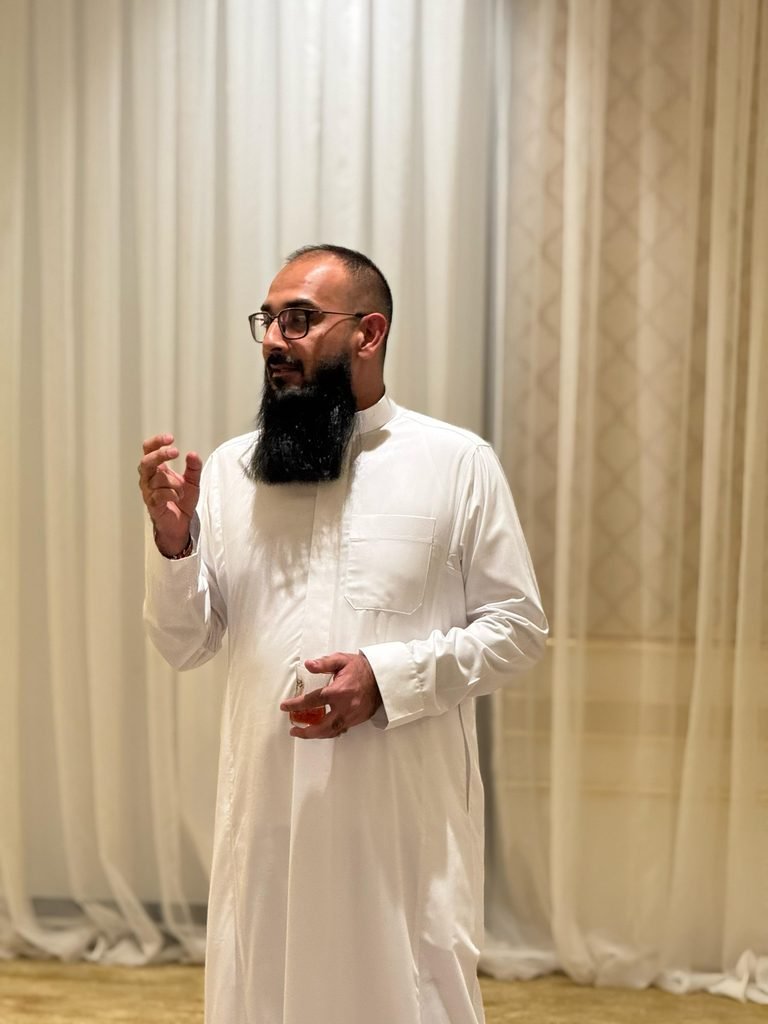
My work involved connecting those areas through procurement, inventory coordination, pricing, warranty processes, financial controls and operational follow-up. Alongside the leadership team and other employees, I contributed to improvements in processes, automation, training, workflow digitalisation, AI-powered CRM, lead management and commercial discipline.
This is where I learnt that lean setups grow best. The smaller the branch setup, the easier it is to replicate, both in terms of construction and financing. Establish the golden rules for one branch, and then it becomes a matter of copying and pasting the model. Without this, there can be no real growth, only growing expenses.
How do you make sure a strategy reaches the workshop floor?
Abdulkader: People need to know what the objective means for their daily work.
A target on its own does not explain what someone should do differently. We need clear responsibilities, workable procedures and regular follow-up. We also need to listen to the branches because they can identify problems that may not be visible in a management report.
I believe in being close enough to operations to understand the obstacles. That makes it easier to decide whether the issue is stock, staffing, pricing, training or a process that needs to be corrected.
What role did technology play in your work at Motocare?
Abdulkader: My involvement in SAP implementation and governance required me to connect business requirements with system processes.
Purchasing, sales transactions, approvals and reporting all need to reflect how the business operates. The information must be reliable, and employees need to understand how to use the system correctly.
Technology becomes valuable when it helps people make better decisions and carry out their responsibilities consistently. That requires clear processes, accurate data and proper ownership alongside the software.
How did your work with Anfal Shared Services complement your automotive experience?
Abdulkader: It gave me a broader view of the support structure behind operational performance.
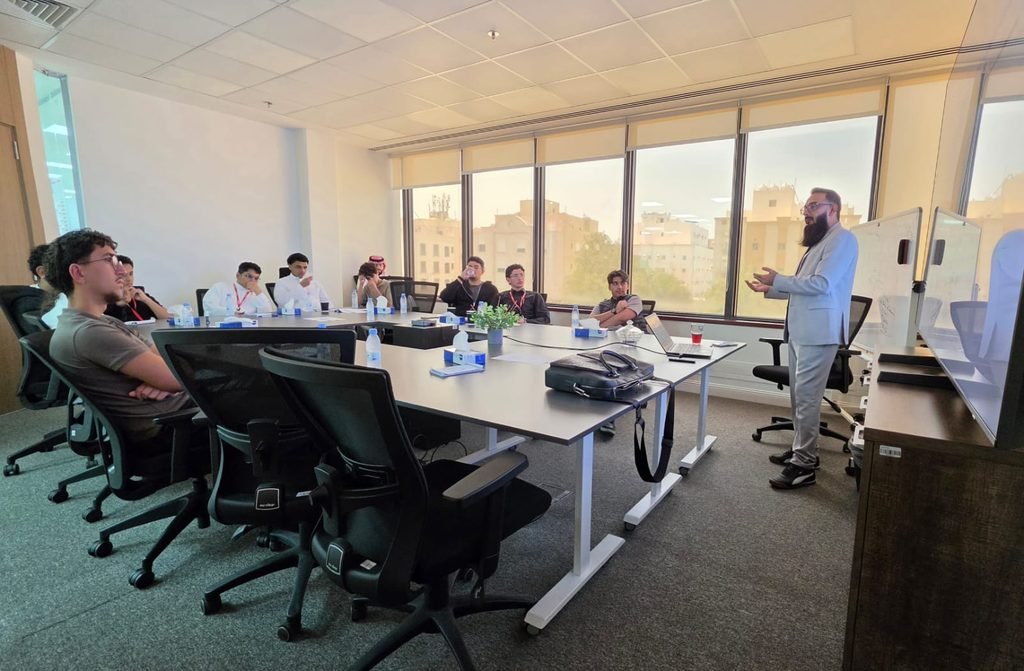
Finance, HR and IT affect what happens in the branches every day. Recruitment influences service capacity. Financial processes affect purchasing and cash management. System reliability affects transactions and stock visibility.
My involvement included coordination, reporting, employee policies, communication standards and accountability between shared services and the operating businesses. The aim was to make responsibilities clearer and provide more responsive support.
Having worked on the operational side helps me understand what businesses need from shared services and how delays or unclear ownership can affect delivery.
What would you identify as your strongest professional capability?
Abdulkader: Connecting the commercial, financial and operational sides of a business.
My background allows me to look at an opportunity from several perspectives: the customer buying the product, the retailer giving it space, the distributor supplying it, the branch delivering the service and the management team assessing the return.
That helps me translate an idea into the decisions and actions required to make it work. I also place a strong emphasis on follow-through because execution depends on people knowing who owns each action and when it needs to be completed.
Looking back over the last few years, how would you describe your contribution to the automotive industry?
Abdulkader: I would describe it through the businesses and teams I have helped develop.
In car care, my work has included building brands and expanding access through specialist outlets, mass retail, supermarkets, online channels and petrol stations. At Autoono, I contributed to the assessment of new brands and business lines for the Bugshan Group. At Motocare, I worked with the leadership team and employees to improve operational and commercial performance. Through Anfal, I contributed to the organisational support behind those businesses.
These are collective efforts, and the people involved deserve recognition. My contribution has been to bring practical experience across those areas, help connect the priorities and move the work forward.
In a nutshell, it is the people you build up around you who matter most. The right experience, attitude and chemistry go a long way towards building teams and achieving strategic goals.



Leave a Reply