


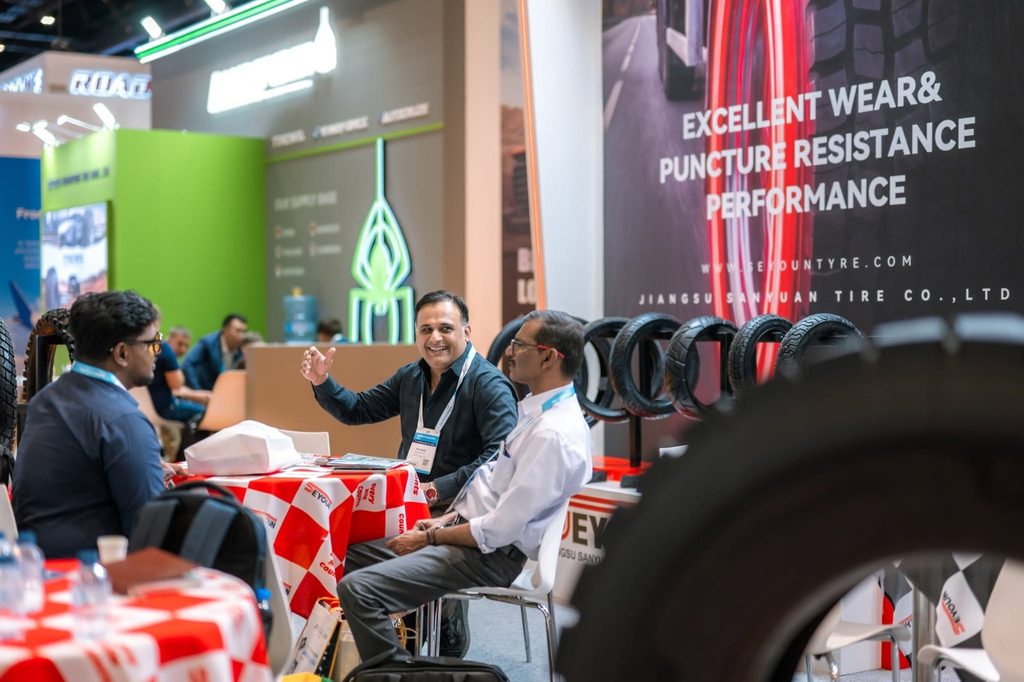
A first-hand perspective on the Middle East’s largest automotive aftermarket exhibition, its relocation to Expo City Dubai, and what the future holds for the regional automotive industry.
There is something different about attending an automotive aftermarket exhibition when you have spent years working within the industry itself.
Beyond the impressive exhibition stands, product launches and marketing displays, the real value lies in understanding where the industry is heading, how manufacturers are adapting and where the next commercial opportunities may emerge.
My recent visit to Automechanika Dubai 2026 provided an opportunity to reflect on these developments and the changing dynamics of the Middle East’s automotive aftermarket.
Held from November 10 to 12, the 23rd edition of Automechanika Dubai brought together more than 1,300 exhibitors from over 50 countries, representing 11 automotive aftermarket product sectors.
However, this year’s exhibition was significant for another reason: it moved to a completely new home.
From Dubai World Trade Centre to Expo City
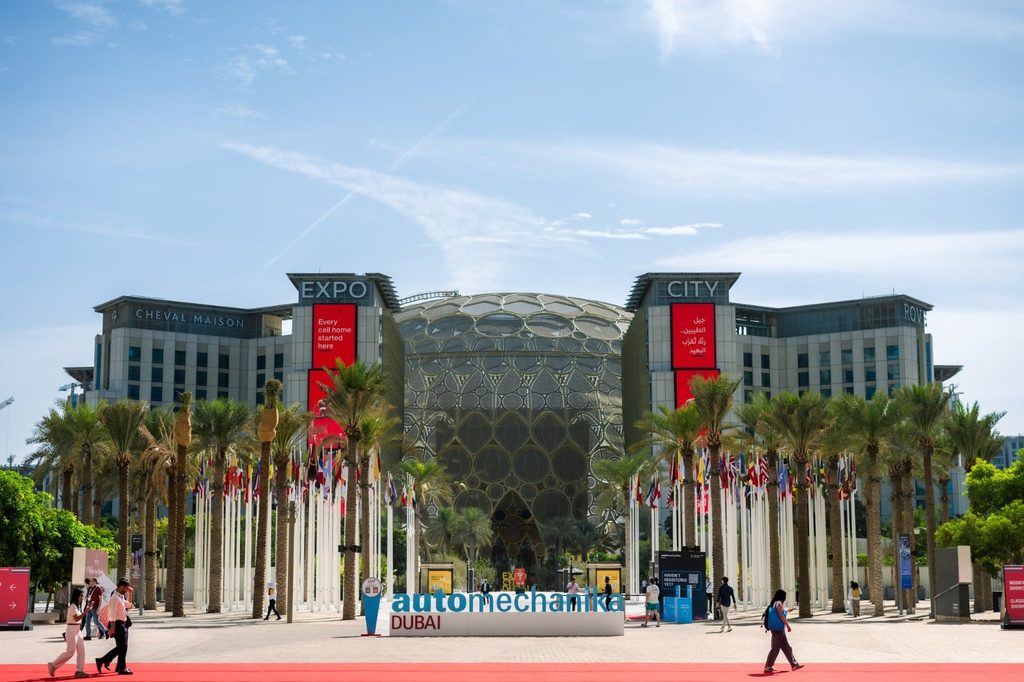
After 22 editions at Dubai World Trade Centre, Automechanika Dubai officially relocated to Dubai Exhibition Centre (DEC) at Expo City Dubai.
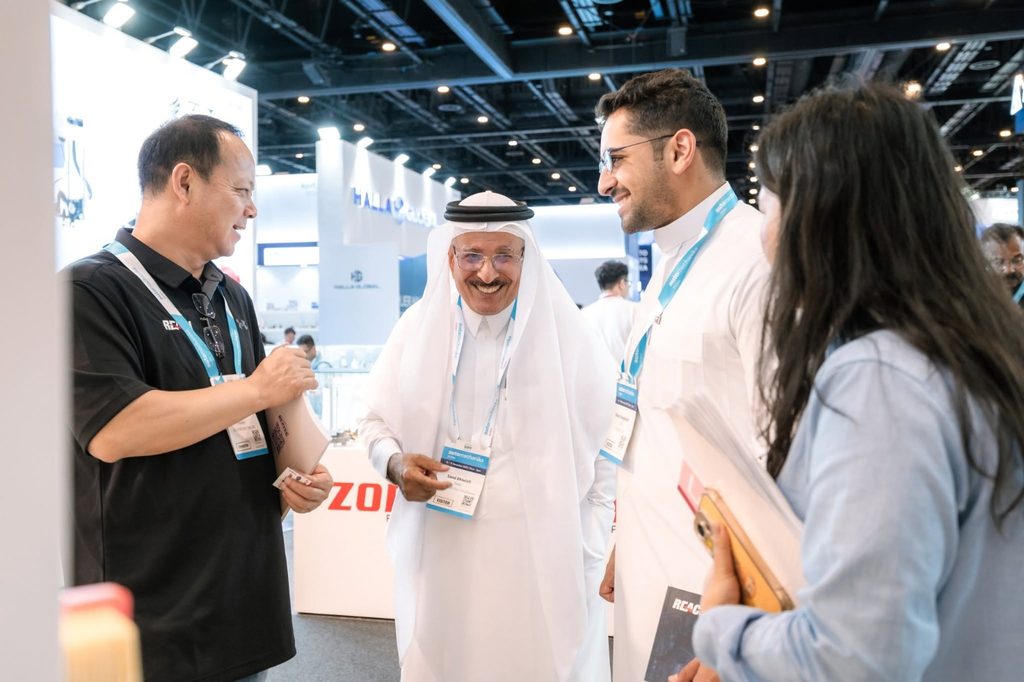
The move represents an important milestone in the exhibition’s history, offering greater capacity, modern exhibition facilities, direct Metro connectivity and room for future expansion.
For an exhibition of this scale, the venue is more than just a physical location. Accessibility, exhibition layout, logistics and networking facilities all contribute to the experience for exhibitors and visitors.
The new venue provides a foundation for long-term expansion, although this year’s participation figures present an interesting contrast.
A Bigger Venue, But Fewer Exhibitors
Automechanika Dubai 2025 recorded one of its strongest editions, attracting more than 50,400 visitors from 162 countries and 2,273 exhibitors from 63 countries.
The 2026 edition welcomed approximately 1,300 exhibiting companies from more than 50 countries.
This represents a considerable reduction in exhibitor participation compared with the previous year, despite the move to a venue with greater capacity.
Final visitor attendance figures had not been confirmed in the post-event announcements available at the time of writing.
While exhibition size remains an important indicator, the quality of business interactions, relevance of exhibitors and commercial opportunities generated are equally important measures of success.
A crowded exhibition is not necessarily a commercially successful exhibition, just as a smaller exhibition does not necessarily deliver less business value.
An Automotive Aftermarket Heading Towards $87 Billion
According to research referenced by Messe Frankfurt, the Middle East and African automotive aftermarket is projected to reach USD 87 billion by 2034.
Several factors are contributing to this growth, including expanding vehicle populations, increasing demand for maintenance and repair services, fleet expansion, technological advancements and changing consumer expectations.
For businesses operating in Saudi Arabia, these developments present considerable opportunities across spare parts, lubricants, tyres, automotive accessories, car care, diagnostics and workshop services.
However, growth will also bring greater competition.
Traditional distribution models are increasingly being challenged by emerging manufacturers, digital marketplaces and alternative service providers.
Beyond Spare Parts: An Industry in Transformation
Automechanika is no longer simply an exhibition for replacement parts and workshop equipment.
This year’s programme reflected a wider industry transformation, with discussions covering artificial intelligence, autonomous mobility, electric vehicles, digital diagnostics, fleet management and collision repair.
These developments will influence not only which products are sold, but also how vehicles are maintained, how technicians are trained and how aftermarket businesses operate.
For traditional automotive businesses, adapting to technology is becoming increasingly important.
The workshop of tomorrow will require considerably more than mechanical expertise. Software, electronics, diagnostic capabilities and access to technical information will become fundamental to its operations.
Industry Recognition and Innovation
The Automechanika Dubai Awards also demonstrated growing interest in innovation across the sector.
The 2026 awards received 748 submissions from 22 countries, compared with 357 submissions in 2025, representing an increase of approximately 110%.
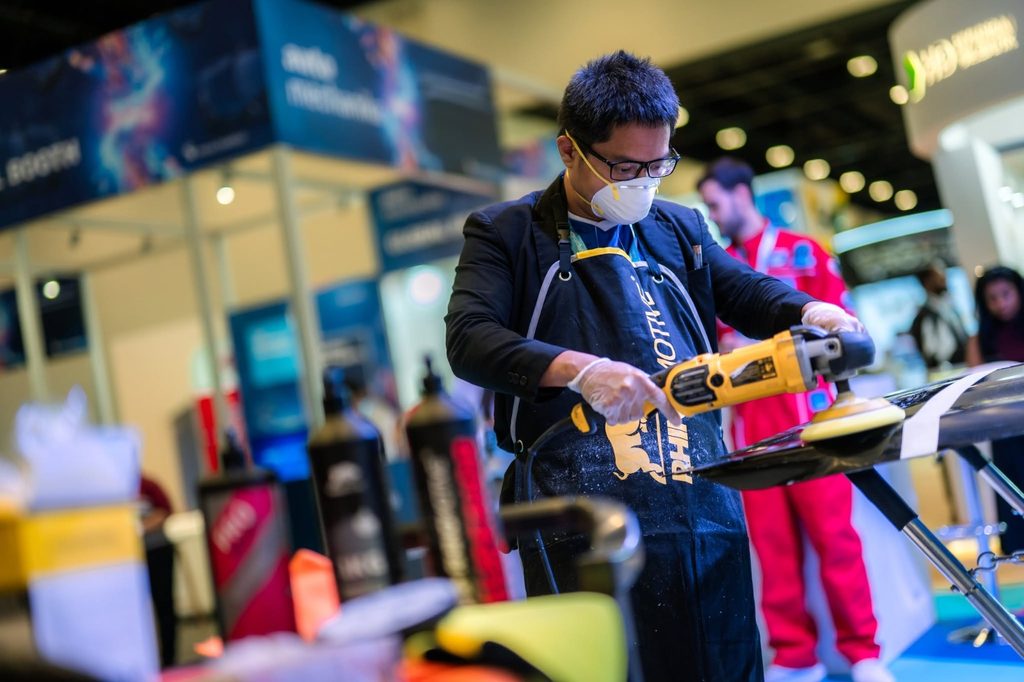
Among the winners, ADNOC Distribution secured both Car Care Specialist of the Year and Digital Product of the Year. Dubai Taxi Company was also recognised for its digitalisation project involving artificial intelligence and electric vehicle charging management.
Another notable development was the signing of a memorandum of understanding between Golden Extreme Group and Messe Frankfurt Middle East to support the localisation of tyre manufacturing in the UAE.
These developments highlight the region’s growing ambition to move beyond automotive importing and distribution towards manufacturing, technology development and specialised services.
What Does This Mean for Saudi Arabia?
From a Saudi automotive industry perspective, exhibitions such as Automechanika are particularly relevant.
The Kingdom is undergoing a significant transformation in automotive manufacturing, vehicle ownership, retail distribution and aftermarket services.
However, one of the biggest opportunities may lie beyond simply introducing more products and international brands into the Saudi market.
There is a growing need for better technical training, transparent product specifications, independent product validation, professional installation standards and stronger consumer confidence.
As competition increases, automotive businesses will need to demonstrate their value through technical credibility, service quality and long-term customer relationships rather than price alone.
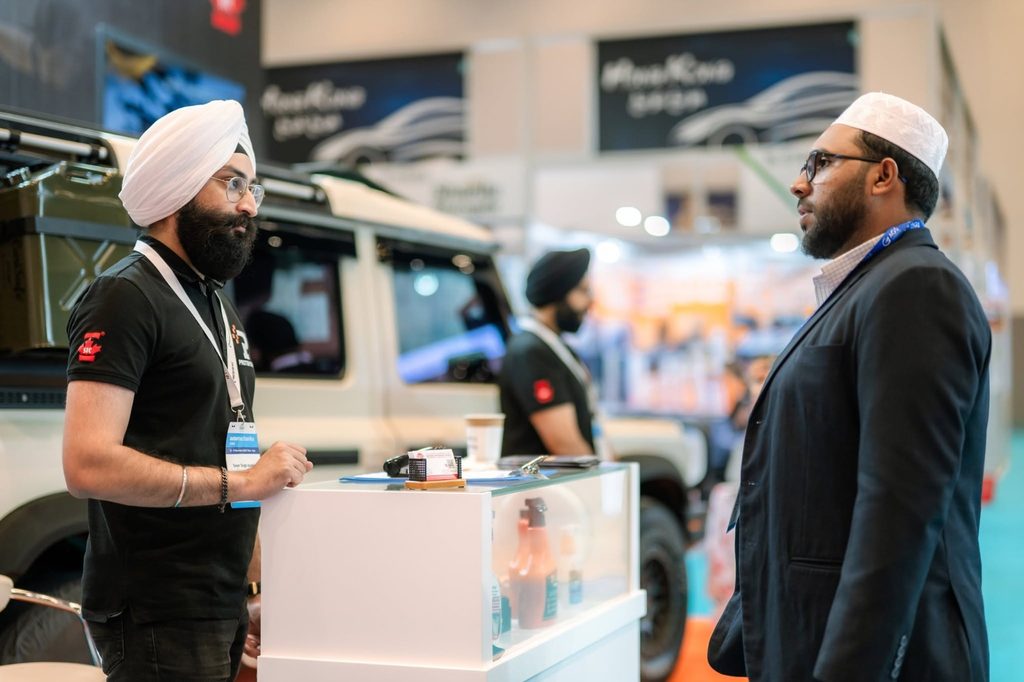
The opportunity is not merely to sell more automotive products. It is to build a more professional and sustainable aftermarket ecosystem.
My Perspective: Beyond the Exhibition Floor
For me, the value of visiting Automechanika extends beyond discovering new suppliers or products.
It provides an opportunity to examine the direction of the industry, identify emerging business models and consider how international developments could be applied within Saudi Arabia.
Not every innovative product will succeed commercially. Not every impressive exhibition stand represents a strong business. And not every marketing claim is supported by meaningful technical evidence.
The real challenge is identifying which innovations deliver genuine value to businesses, workshops and, ultimately, vehicle owners.
Looking Ahead to 2027
Automechanika Dubai is scheduled to return to Dubai Exhibition Centre from November 9 to 11, 2027.
Its new home offers considerable potential for future expansion, and the coming editions will provide a clearer indication of how successfully the exhibition capitalises on that opportunity.

For Saudi automotive professionals, the event remains an important international platform for sourcing, networking and understanding the developments shaping the industry.
The future of the automotive aftermarket will not belong simply to those who sell the most products, but to those who deliver the most credible solutions.


Leave a Reply